Rodent & Wildlife Removal Services in Jersey City
Request an estimate today
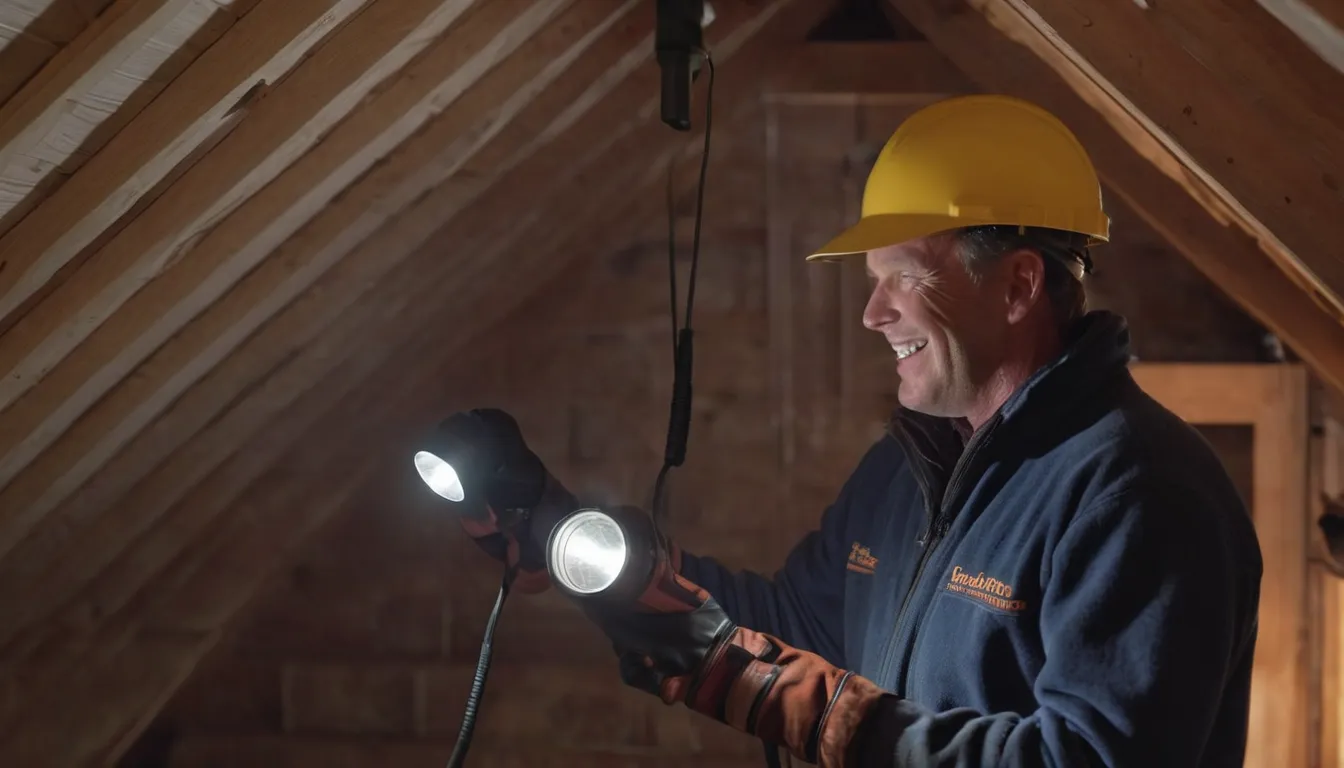
Scratching, droppings or a strange smell often mean an animal has moved in. Mice, rats, squirrels, raccoons and bats all pick quiet, warm spots in a house. The longer they stay, the more they chew, nest and leave behind.
Tomorrowclark Pest Control is a referral service. We do not do the work. We connect homeowners in Jersey City and the Jersey City area with independent local providers in our network who handle rodent and wildlife removal. You can request an estimate, compare written quotes, and learn your options before anyone starts. This page explains what happens over hours, days and weeks, and what shapes the price.
Noises in the Attic or Walls? Start Here
Scratching at night. Droppings in a drawer. A musty smell near the vent. These are common signs of an animal living in your home. This page walks through the timeline, your options and the cost drivers, so you can act with a plan.
Price the Timeline: The First Two Days
In the first day or two, the problem is small. An animal is exploring, and it may only have one entry point. Many providers can respond quickly at this stage, and the fix is often a simple trap or a sealed gap. This is usually the least costly window.
Days Three Through Fourteen: Nesting Starts
By the second week, many animals have built a nest. Mice breed fast. A single pair can become a crowd in weeks. Squirrels and raccoons may pull insulation into a den. Now there are more animals to remove and more material to clean up.
Weeks Later: Damage Adds Up
After a month, chewed wires, soiled insulation and stained ceilings are common. Repairs cost more than the removal itself. Waiting rarely saves money. It tends to move the bill from removal to repair.
Signs to Watch For
Look and listen for these clues:
- Scratching, thumping or squeaking, often at dusk or overnight
- Droppings along baseboards, in cabinets or in the attic
- Gnaw marks on wood, wires or stored boxes
- Greasy rub marks along walls or pipes
- A sharp, musky or ammonia-like smell
- Torn insulation or shredded nesting material
- Pets staring or pawing at one spot
Common Animals Providers Handle
Providers in our network commonly deal with:
- Mice and rats
- Squirrels and chipmunks
- Raccoons and opossums
- Bats, which often have special rules
- Skunks and groundhogs under porches or sheds
Each animal needs a different method, so the type affects the quote.
Cold Weather Pushes Animals Indoors
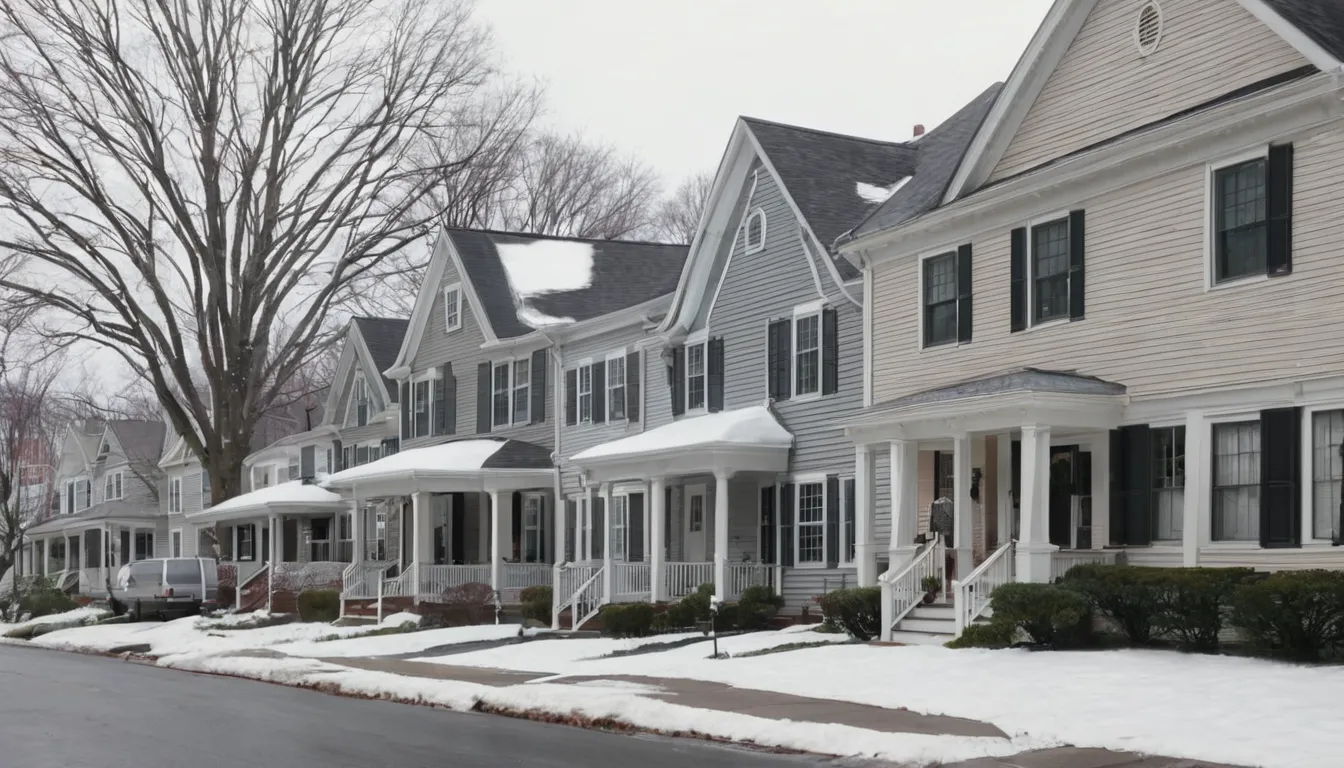
Cold, snowy winters send animals looking for warmth. Older homes with stone or block foundations, full basements and aging rooflines have many small gaps. Freeze-thaw cycles widen cracks over time. Spring snowmelt and coastal storms can also drive animals into crawl spaces and porches.
Know Your Options
Before work starts, ask which approach the provider suggests and why.
Sealing and Exclusion
This closes entry points with metal mesh, flashing or caps. It is the long-term fix. Without it, new animals can return.
Trapping
Traps catch animals that are already inside. Rodents may need several visits to confirm the trapping is finished.
One-Way Doors
These let an animal leave but not return. They suit larger animals and are timed around nesting seasons.
Cleanup and Repair
Droppings, urine and soiled insulation may need removal. Some providers offer this. Others only handle the animal.
What Drives the Price
Cost depends on the animal, the number of visits, how hard the entry points are to reach, and how much cleanup is needed. A steep roof or a tight crawl space adds labor. Get the scope in writing so you can compare it fairly.
How Removal Works, Step by Step
A typical job starts with an inspection. The provider finds entry points and signs of activity. Then comes a written plan with a price. Next are removal and sealing, and finally a follow-up check. Ask how many visits are included in the quote.
Humane Handling and Local Rules
Many states and towns have rules about trapping, relocating and handling wildlife. Bats and nesting young often have extra protections. A good provider knows the local rules and explains them. Ask how the animals will be handled before you agree.
Compare Written Quotes
Ask two or three providers for quotes. Check what each one covers: inspection, trapping, sealing, cleanup and follow-up. A low number that leaves out sealing may cost more later. Ask about warranties on the work, and get them in writing.
Insurance Questions
Some policies may cover sudden damage, but many exclude long-term infestations. Check your policy. Providers can often help document damage for a claim.
Keeping Animals Out
Small habits help:
- Seal gaps larger than a quarter inch
- Trim branches away from the roof
- Store food and pet feed in sealed containers
- Cap chimneys and screen vents
- Keep trash lids tight
Ready for the Next Step?
You do not need to guess. Request an estimate and see your options laid out. Request a callback to check provider availability if you prefer to talk it through.
What's Included
Inspection and Entry Points
A provider checks the attic, walls, crawl space and roofline to find how animals are getting in.
Trapping Options
Providers choose traps or one-way doors that fit the animal and the season.
Sealing and Exclusion
Gaps get closed with mesh, flashing or caps so animals cannot return.
Cleanup and Follow-Up
Many providers offer droppings cleanup, insulation repair and a check visit to confirm success.
What Rodent and Wildlife Jobs Typically Cost
Prices vary by animal, home layout and how long the problem has run. These are typical U.S. ranges only. Ask each provider for a written quote that lists exactly what it covers.
| Item | Typical range | Notes |
|---|---|---|
| Inspection | $75 – $300 | Some providers apply it to the job cost |
| Mouse removal | $200 – $600 | May need several visits |
| Rat removal | $300 – $900 | Larger homes cost more |
| Squirrel or raccoon removal | $300 – $1,000 | Depends on access and number of animals |
| Sealing entry points | $250 – $1,500 | Roof height and materials matter |
| Cleanup and insulation repair | $500 – $6,000 | Grows with time and area affected |
How It Works
Request an Estimate
Tell us the signs you see and where you live. It takes only a short form.
Get Matched with a Provider
A local provider in our network reaches out to discuss your situation.
Review the Written Quote
Check the scope, number of visits and sealing work before you agree.
Provider Completes the Work
The provider handles removal, sealing and any cleanup, then checks that the animals are gone.
Why Call Tomorrowclark Pest Control
Clear Timeline Advice
We explain how costs change from days to weeks, so you can plan.
Written Quotes
Providers in our network give written quotes, which makes comparing options much easier.
Local Providers
Independent providers know local housing styles, weather and animal rules.
No Obligation
Request an estimate and review your options before you decide anything at all.
Other Services
Need rodent & wildlife removal services in Jersey City?
Tell us what you are seeing. Request an estimate and a provider in our network will follow up to talk through options and a written quote.
No obligationRodent & Wildlife Removal Services FAQ
How much does wildlife removal cost?
Typical U.S. jobs run from a few hundred dollars for simple trapping to over a thousand with sealing and cleanup. Costs vary by animal and home. Get a written quote before work begins.
How do I know if I have mice or rats in my walls?
Look for scratching at night, droppings, gnaw marks and greasy rub trails. Rat droppings are larger than mouse droppings. A provider can inspect the home, confirm the animal and explain the options.
Does homeowners insurance cover animal damage?
Some policies may cover sudden damage, but many exclude long-term infestations. Check your policy and ask your agent. Providers can often help document damage for a claim.
Reach a local provider
Tell us what you are seeing. Request an estimate and a provider in our network will follow up to talk through options and a written quote.
No obligation